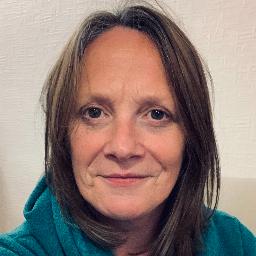
Glennis Pye, BACP
Glennis Pye is a counsellor who helps people who are feeling overwhelmed by stress, anxiety, low self-esteem or big life changes.
About Glennis
Glennis Pye is a counsellor who helps people who are feeling overwhelmed by stress, anxiety, low self-esteem or big life changes. She works with those facing grief, relationship strain, trauma and abuse, or questions around career and identity. Her approach is straightforward and focused on what each person needs in the moment.
Glennis holds a Postgraduate Diploma in Integrative Counselling and Coaching and is registered with the British Association for Counselling and Psychotherapy, BACP.
Background and approach
She has four years of professional experience and adapts her style to suit short-term goals or longer-term exploration. Sessions blend talking therapies with practical coaching tools when that is useful. She draws on methods such as cognitive behavioural ideas to look at thinking patterns, attachment-focused work to understand relationships, and acceptance and commitment ideas to help people build values-led lives.
The work is collaborative and paced to each person’s readiness. Common starting points include managing anxiety, working through loss, coping after trauma, and building confidence. Glennis aims to help people notice small changes that add up to meaningful progress.
Conversations focus on real-life steps as well as emotional understanding. People can expect clear explanations of the approaches used and gentle guidance on practical actions between sessions. The goal is to support people to move forward, feel more in control, and find ways to live that match their values and hopes.
Details from the counsellor's public professional profile · registration number listed
← Browse all counsellorsRegistration
| Body | Registration number | Expires |
|---|---|---|
| BACP | 388097 | March 2026 |
Registration details are as listed on the counsellor's public profile. You can check any number with the registering body.
Sessions and payment
Sessions are held online through our partner platform, by video, phone or messaging depending on the counsellor.
Cost Costs are shown on the partner platform before you commit. If cost is a concern, ask about reduced-fee options.
Focus areas and approaches
Everything Glennis lists on their public professional profile, in their own terms.
- Stress, Anxiety
- Relationship issues
- Self esteem
- Depression
- Coping with life changes
- Family conflicts
- Trauma and abuse
- Grief
- Anger management
- Career difficulties
- Coaching
- ADHD
- Abandonment
- Attachment issues
- Domestic violence
- Guilt and shame
- Self-love
- Social anxiety and phobia
- Women's issues
- Young adult issues
Ways of working Glennis names
- Acceptance and Commitment Therapy (ACT)
- Attachment-Based Therapy
- Client-Centred Therapy
- Cognitive Behavioural Therapy (CBT)
- Emotionally-Focused Therapy (EFT)
- Existential Therapy
- Mindfulness Therapy
- Psychodynamic Therapy
- Solution-Focused Therapy
- Trauma-Focused Therapy
- Internal Family Systems
Naming an approach is not evidence of training in it. This directory copies what each counsellor lists and does not check training records.
Approaches that suit online therapy and recovery
Trauma-Focused Therapy aims to help people make sense of past harmful experiences and reduce their daily impact. It often involves talking through memories at a pace that feels manageable and building skills to manage strong emotions.Acceptance and Commitment Therapy, or ACT, helps people clarify what matters to them and take small steps in that direction. It uses exercises to notice thoughts without being driven by them and to act in line with personal values.
Attachment-Based Therapy looks at patterns in relationships and how early bonds affect current connections. Work often focuses on recognising relational needs and learning healthier ways of relating.
Choosing the right approach is a shared process. The counsellor will discuss goals, preferences and what has or hasn't helped before, then suggest ways forward. This collaborative planning means the method can change as things progress.
Online sessions are offered by video call, phone, live chat or text-based messaging. Video gives the closest sense of face-to-face contact, phone can be easier when bandwidth is limited, live chat and messaging suit brief check-ins or days when writing feels better. These options add flexibility so people can fit therapy around work, family and travel.
Frequently asked
What kinds of problems does Glennis help with?
She supports people with stress, anxiety, depression, grief, trauma and abuse, relationship and family concerns, anger, self-esteem and career questions.
What is her therapy style like?
Her style mixes talking therapies with coaching techniques when helpful, focusing on practical steps and emotional understanding in collaboration with the client.
How much experience does she have?
She has four years of experience working with a broad range of issues and tailors her approach to each person's goals.
What credentials and region are recorded for this counsellor?
She is registered with the British Association for Counselling and Psychotherapy, BACP, and practices in the United Kingdom.
Which languages are sessions offered in?
Sessions are offered in English.
Can international clients work with her?
She is not currently accepting international clients.
What session formats are available?
Sessions can be held via video calls, phone sessions, live chat, or text-based messaging to suit different needs and schedules.
How are fees and starting up handled?
Fees vary with location and therapist availability and use a subscription that can be cancelled at any time; to begin, select Start Therapy, complete a short matching questionnaire, and schedule according to availability.
More counsellors who work with Stress, Anxiety
See all
Kathryn Taylor
BACP
12 years in practice
Experienced counsellor with workplace insight
- Stress, Anxiety
- Relationship
- Self esteem

Lucy Nicolaysen
BACP
6 years in practice
Trauma-informed, attachment-focused counsellor
- Relationship
- Family
- Trauma and abuse

Matthew Bridge
BACP
3 years in practice
Compassionate counsellor for trauma and stress
- Stress, Anxiety
- LGBT
- Relationship