
Emma Barty, BACP
Emma Barty is a counsellor with nine years' experience.
About Emma
Emma Barty is a counsellor with nine years' experience. She works online and offers a calm, practical space for people dealing with stress, anxiety, grief, trauma and related difficulties. Emma holds BACP accreditation, which appears as BACP in her profile, and she brings a flexible, person-focused way of working to each conversation.
She uses a mix of talking and body-aware approaches. Sessions may include gentle movement, mindfulness and techniques that help people notice how emotions show up in the body.
Background and approach
Emma also draws on client-centred principles, which means she listens first and follows what matters most to the person in front of her. Emma has supported people facing loss, long-term health concerns, neurodiversity issues such as autism or ADHD, and the effects of abuse and domestic violence.
She has worked in healthcare and charity settings in the past, which shapes how she approaches practical problems alongside emotional ones. In a first meeting she talks through what brought someone to therapy and what they want to achieve. Sessions are collaborative - goals, length and practical details are agreed together.
Emma uses monthly supervision as part of her practice to reflect on her work and maintain professional standards. Therapy can include creative activities, movement and mindfulness alongside talk. She adapts the mix to suit each person, aiming to help people manage distress, build self-understanding and find clearer ways to cope with life changes.
Details from the counsellor's public professional profile · registration number listed
← Browse all counsellorsRegistration
| Body | Registration number | Expires |
|---|---|---|
| BACP | 380382 | November 2026 |
Registration details are as listed on the counsellor's public profile. You can check any number with the registering body.
Sessions and payment
Sessions are held online through our partner platform, by video, phone or messaging depending on the counsellor.
Cost Costs are shown on the partner platform before you commit. If cost is a concern, ask about reduced-fee options.
Focus areas and approaches
Everything Emma lists on their public professional profile, in their own terms.
- Stress, Anxiety
- Grief
- Self esteem
- Depression
- ADHD
- LGBT
- Family conflicts
- Trauma and abuse
- Eating disorders
- Sleeping disorders
- Parenting issues
- Coping with life changes
- Abandonment
- Attachment issues
- Autism and Asperger Syndrome
- Caregiver issues and stress
- Chronic pain, illness, and disability
- Domestic violence
- Emptiness
- Guilt and shame
- Isolation / loneliness
- Life purpose
- Mood disorders
- Panic disorder and panic attacks
- Self-love
- Sexual assault and abuse
- Social anxiety and phobia
- Women's issues
Ways of working Emma names
- Client-Centred Therapy
- Dialectical Behaviour Therapy (DBT)
- Mindfulness Therapy
- Somatic Therapy
- Trauma-Focused Therapy
Naming an approach is not evidence of training in it. This directory copies what each counsellor lists and does not check training records.
How Emma uses trauma-aware and body-based approaches online
Emma commonly blends Trauma-Focused Therapy with client-centred work. Trauma-focused work looks at how past distress affects daily life and uses targeted steps to reduce its hold. Client-centred counselling puts the person's experience first, with the therapist following the client's pace and priorities.She also draws on Dialectical Behaviour Therapy (DBT) skills and mindfulness exercises to help manage strong emotions and reduce reactivity. DBT-style skills teach practical ways to cope in the moment, while mindfulness helps increase awareness of thoughts, feelings and bodily sensations. Together these approaches help with panic, mood swings and self-critical thinking.
Finding the right approach is a shared process. Emma will discuss options in the first sessions and adjust methods based on the client's needs, goals and preferences. This helps ensure the mix of techniques feels useful and manageable.
Online therapy gives flexibility in how people connect. Video calls allow face-to-face conversation and visual work, phone sessions suit those who prefer not to be on camera, and live chat or text-based messaging can be used for shorter check-ins or ongoing support between sessions. These options make it easier to fit therapy around work, caring responsibilities or mobility limits.
Frequently asked
What kinds of problems does Emma help with?
Emma works with stress, anxiety, grief, depression, trauma and abuse, self-esteem and related concerns such as eating or sleeping problems and coping with life changes.
How would she describe her therapy style?
Her approach is client-centred and practical, combining talking with mindfulness, somatic techniques and elements of DBT when useful.
What experience does she bring?
Emma has nine years' experience and has previously worked in NHS and charity settings, including bereavement services and mental health organisations.
What credentials and location are listed?
She is listed with BACP and practises from the United Kingdom.
In which languages can sessions be held?
Sessions are offered in English and Emma also accepts international clients.
What session formats are available?
Therapy can be delivered by video calls, phone sessions, live chat or text-based messaging to suit different needs.
How is pricing handled?
Cost varies with location and therapist availability and sessions are provided through a subscription that can be cancelled at any time.
How do I begin working with Emma?
Start by selecting the Start Therapy button, complete the short matching questionnaire and then schedule according to therapist availability.
More counsellors who work with Stress, Anxiety
See all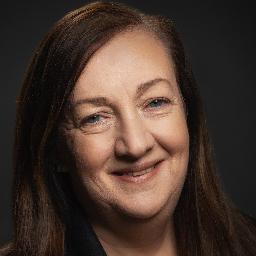
Kathryn Taylor
BACP
12 years in practice
Experienced counsellor with workplace insight
- Stress, Anxiety
- Relationship
- Self esteem

Lucy Nicolaysen
BACP
6 years in practice
Trauma-informed, attachment-focused counsellor
- Relationship
- Family
- Trauma and abuse

Matthew Bridge
BACP
3 years in practice
Compassionate counsellor for trauma and stress
- Stress, Anxiety
- LGBT
- Relationship