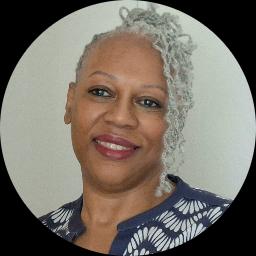
Diana Simpson, BACP
Diana Simpson is a counsellor who uses a warm, interactive style to help people manage stress, anxiety, relationships and traumatic experiences.
About Diana
Diana Simpson is a counsellor who uses a warm, interactive style to help people manage stress, anxiety, relationships and traumatic experiences. She draws on more than two decades of practice to offer steady support and practical ways forward. She is registered with the British Association for Counselling and Psychotherapy (BACP).
Her sessions are calm and non-judgemental. She listens closely and helps clients set small, reachable goals. Conversations focus on what matters now and on changes people can try between sessions.
Background and approach
Diana blends several approaches to match each person's needs. She uses client-centred aims to keep work focussed on the person’s priorities. Cognitive Behavioural Therapy techniques can help when unhelpful thinking and anxious patterns get in the way.
Solution-Focused ideas support short-term problem solving and clearer next steps. She also draws on Internal Family Systems ideas to help people understand different parts of themselves and how these parts affect relationships and coping. That way clients can learn to notice, name and work with inner conflict rather than be overwhelmed by it.
Diana has worked with a wide range of concerns including parenting stress, grief, addiction, anger, intimacy worries and low self-esteem. She also offers coaching for career and life transitions. She aims to make therapy practical, respectful and directly useful for everyday life.
Details from the counsellor's public professional profile · registration number listed
← Browse all counsellorsRegistration
| Body | Registration number | Expires |
|---|---|---|
| BACP | 18453 | September 2026 |
Registration details are as listed on the counsellor's public profile. You can check any number with the registering body.
Sessions and payment
Sessions are held online through our partner platform, by video, phone or messaging depending on the counsellor.
Cost Costs are shown on the partner platform before you commit. If cost is a concern, ask about reduced-fee options.
Focus areas and approaches
Everything Diana lists on their public professional profile, in their own terms.
- Stress, Anxiety
- Relationship issues
- Family conflicts
- Parenting issues
- Coping with life changes
- Addictions
- LGBT
- Trauma and abuse
- Grief
- Intimacy-related issues
- Anger management
- Self esteem
- Career difficulties
- Depression
- Coaching
- Abandonment
- Aging and geriatric issues
- Attachment issues
- Avoidant personality
- Blended family issues
- Body image
- Caregiver issues and stress
- Codependency
- Commitment issues
- Communication problems
- Dependent personality
- Divorce and separation
- Emptiness
- Family problems
- Fatherhood issues
- Forgiveness
- Guilt and shame
- Infidelity
- Isolation / loneliness
- Jealousy
- Life purpose
- Midlife crisis
- Money and financial issues
- Seasonal Affective Disorder (SAD)
- Self-love
- Social anxiety and phobia
- Women's issues
- Workplace issues
- Young adult issues
Ways of working Diana names
- Client-Centred Therapy
- Cognitive Behavioural Therapy (CBT)
- Solution-Focused Therapy
- Internal Family Systems
Naming an approach is not evidence of training in it. This directory copies what each counsellor lists and does not check training records.
How therapeutic approaches work online
Client-Centred Therapy focuses on listening and helping the person set their own pace and goals. It’s useful when someone needs acceptance, clearer direction and steady support rather than advice.Cognitive Behavioural Therapy (CBT) breaks down unhelpful thoughts and behaviours into manageable steps. Online CBT sessions often include simple exercises and homework to try between meetings, which can help with anxiety, low mood and stress.
Finding the right approach is part of the work. The counsellor will talk with each person about their needs, goals and what feels comfortable, then suggest a blend of methods. That decision is collaborative and may change as the work progresses.
Online sessions offer practical advantages. Video calls allow face-to-face conversation without travel. Phone sessions suit people who prefer not to be on camera or need to fit a session into a busy day. Live chat and text-based messaging work well for short check-ins, step-by-step problem solving or when a written conversation feels easier. These options make it simpler to keep continuity of care and to try different formats to find what helps most.
Frequently asked
What kinds of problems does this counsellor help with?
Common concerns include stress, anxiety, relationships, parenting pressures, trauma and abuse, grief and addictions, along with self-esteem and career matters.
What is the therapeutic style in sessions?
The approach is warm and non-judgemental with a focus on listening, setting achievable goals and offering practical techniques you can use between sessions.
How much experience does this counsellor have?
She has 21 years of experience working in counselling and psychotherapy settings with a range of life and relationship difficulties.
What professional credential does she hold and where is she based?
She is registered with the British Association for Counselling and Psychotherapy (BACP) and practises in the United Kingdom.
Which languages are available for sessions?
Sessions are offered in English.
Are sessions offered to people outside the UK?
International clients are not currently accepted; sessions are provided to clients within the United Kingdom.
What formats are available for online therapy?
Sessions can be taken by video call, phone, live chat or text-based messaging to fit different needs and schedules.
How does the subscription and first steps work?
Cost varies with location and therapist availability; sessions use a subscription that can be cancelled at any time. To begin, select the Start Therapy button, complete a short matching questionnaire and schedule according to therapist availability.
More counsellors who work with Stress, Anxiety
See all
Kathryn Taylor
BACP
12 years in practice
Experienced counsellor with workplace insight
- Stress, Anxiety
- Relationship
- Self esteem

Lucy Nicolaysen
BACP
6 years in practice
Trauma-informed, attachment-focused counsellor
- Relationship
- Family
- Trauma and abuse

Matthew Bridge
BACP
3 years in practice
Compassionate counsellor for trauma and stress
- Stress, Anxiety
- LGBT
- Relationship