
Diana Gunner, BACP
Diana Gunner is a counsellor with four years' experience supporting people through stress, anxiety, depression and trauma.
About Diana
Diana Gunner is a counsellor with four years' experience supporting people through stress, anxiety, depression and trauma. She works with individuals who are facing grief, relationship strain, parenting pressures, eating concerns and major life changes. Diana also offers help for issues such as ADHD, attachment and abandonment worries, and the emotional impact of illness or fertility struggles.
Her style is warm and down-to-earth. She aims to make it easier to find words for difficult feelings and to slow things down so people can think more clearly.
Background and approach
Sessions are adapted to what each person needs, whether that means practical steps or more time to reflect. Diana draws on client-centred, psychodynamic and solution-focused ideas when planning sessions. That means she listens closely, looks at how past patterns shape the present, and helps set small, achievable goals.
She usually offers short-term work when someone wants focused change over a few meetings. People come to Diana for help with trauma and abuse, panic and phobias, baby loss and infertility, menopause-related struggles, caregiver stress, and issues linked to divorce or domestic violence. She also supports those dealing with emptiness, control issues and dissociation.
Sessions are available in English and can be arranged across the United Kingdom and internationally. Diana works with video calls, phone, live chat and text messaging, and she encourages a collaborative approach to find what works best for each person.
Details from the counsellor's public professional profile · registration number listed
← Browse all counsellorsRegistration
| Body | Registration number | Expires |
|---|---|---|
| BACP | 376292 | January 2027 |
Registration details are as listed on the counsellor's public profile. You can check any number with the registering body.
Sessions and payment
Sessions are held online through our partner platform, by video, phone or messaging depending on the counsellor.
Cost Costs are shown on the partner platform before you commit. If cost is a concern, ask about reduced-fee options.
Focus areas and approaches
Everything Diana lists on their public professional profile, in their own terms.
- Stress, Anxiety
- Trauma and abuse
- Grief
- Self esteem
- Depression
- Relationship issues
- Eating disorders
- Parenting issues
- Anger management
- Coping with life changes
- ADHD
- Abandonment
- Attachment issues
- Autism and Asperger Syndrome
- Blended family issues
- Cancer
- Caregiver issues and stress
- Control issues
- Dissociation
- Divorce and separation
- Domestic violence
- Eating and food-related issues
- Emptiness
- Family problems
- Fatherhood issues
- Fertility issues
- Guilt and shame
- Hearing impaired
- Life purpose
- Midlife crisis
- Panic disorder and panic attacks
- Postpartum depression
- Post-traumatic stress
- Pregnancy and childbirth
- Seasonal Affective Disorder (SAD)
- Self-harm
- Self-love
- Social anxiety and phobia
- Women's issues
- Workplace issues
- Young adult issues
Ways of working Diana names
Naming an approach is not evidence of training in it. This directory copies what each counsellor lists and does not check training records.
Therapeutic approaches and online sessions
Client-Centred Therapy focuses on creating a respectful, non-judgemental space. The counsellor listens carefully and helps the person find their own way forward, which can help with anxiety, low self-esteem and life transitions.Psychodynamic Therapy looks at patterns that started in the past and how they affect present feelings and relationships. It can be useful for people who want to understand recurring struggles, attachment issues and how early experiences shape current reactions.
Finding the right approach is part of the work. Diana will collaborate with each person to decide which mix of listening, reflection and goal-setting fits best. That process is practical and responsive to the client’s needs, goals and preferences.
Online therapy offers flexible ways to meet. Video calls allow face-to-face conversation, phone sessions work well for shorter check-ins or when bandwidth is limited, and live chat or text messaging suit people who prefer writing or need brief, on-the-go support. These options make it easier to fit counselling around work, care duties and other commitments while keeping the focus on progress and accessibility.
Frequently asked
What kinds of problems does Diana help with?
Diana works with people facing stress, anxiety, trauma and abuse, grief, low self-esteem and depression. She also supports those dealing with eating concerns, parenting strain, anger, ADHD and major life changes.
How would she describe her therapeutic style?
Her style is client-centred and approachable. She listens first, helps people name feelings, and balances reflective work with goal-focused practical steps.
What professional background does she bring?
She has four years of counselling experience and has worked with a range of issues including bereavement, baby loss, infertility and menopause-related concerns.
Where is she based and what credential does she hold?
She practises from the United Kingdom and is registered with the British Association for Counselling and Psychotherapy, shown as BACP.
Which languages are sessions offered in?
Sessions are offered in English and she accepts clients internationally.
What session formats are available?
She offers video calls, phone sessions, live chat and text-based messaging to suit different preferences and schedules.
How much do sessions cost?
Costs vary with location and therapist availability; sessions use a subscription model that can be cancelled at any time.
How do I begin working with her?
Click the Start Therapy button, complete a short matching questionnaire, and then schedule sessions according to the therapist's availability.
More counsellors who work with Stress, Anxiety
See all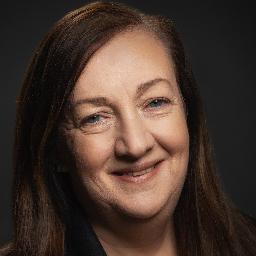
Kathryn Taylor
BACP
12 years in practice
Experienced counsellor with workplace insight
- Stress, Anxiety
- Relationship
- Self esteem

Lucy Nicolaysen
BACP
6 years in practice
Trauma-informed, attachment-focused counsellor
- Relationship
- Family
- Trauma and abuse

Matthew Bridge
BACP
3 years in practice
Compassionate counsellor for trauma and stress
- Stress, Anxiety
- LGBT
- Relationship