
Claudia Canova, BACP
Claudia Canova is a BACP counsellor who brings four years of professional experience to her practice.
About Claudia
Claudia Canova is a BACP counsellor who brings four years of professional experience to her practice. She centres the work on building a dependable relationship that helps people stop pretending everything is fine and begin to face what is causing them pain. Her sessions aim to help people become more themselves and find clearer direction in day-to-day life.
Claudia mixes practical problem-solving with deeper exploration of what wants to emerge in a person’s life.
Background and approach
She pays attention to how past experiences, relationships and identity shape current reactions. This approach can help people understand where patterns come from and try different ways of being. Her background includes many years in media, communications and the performing arts, plus some work in education.
She also co-facilitates workshops at the Psychosynthesis Trust for counsellors in training and volunteers offering emotional support to those affected by Covid-19 and to vulnerable young adults. Claudia works with common concerns such as stress, anxiety, grief, depression and relationship struggles, as well as trauma and abuse and issues linked to identity and belonging.
She also helps with addiction, eating and sleeping difficulties, parenting strain and career questions. People meet Claudia expecting a warm, accepting space and a conversational style. Sessions focus on what is happening now, where pain comes from, and small, practical steps that fit each person’s life.
She welcomes people from diverse backgrounds and offers sessions in English.
Details from the counsellor's public professional profile · registration number listed
← Browse all counsellorsRegistration
| Body | Registration number | Expires |
|---|---|---|
| BACP | 383084 | December 2026 |
Registration details are as listed on the counsellor's public profile. You can check any number with the registering body.
Sessions and payment
Sessions are held online through our partner platform, by video, phone or messaging depending on the counsellor.
Cost Costs are shown on the partner platform before you commit. If cost is a concern, ask about reduced-fee options.
Focus areas and approaches
Everything Claudia lists on their public professional profile, in their own terms.
- Stress, Anxiety
- Relationship issues
- Trauma and abuse
- Grief
- Depression
- Addictions
- LGBT
- Family conflicts
- Intimacy-related issues
- Eating disorders
- Sleeping disorders
- Parenting issues
- Anger management
- Self esteem
- Career difficulties
- Coping with life changes
- Abandonment
- Antisocial personality
- Avoidant personality
- Codependency
- Commitment issues
- Communication problems
- Control issues
- Dependent personality
- Divorce and separation
- Emptiness
- Family of origin issues
- Forgiveness
- Guilt and shame
- Immigration issues
- Isolation / loneliness
- Jealousy
- Life purpose
- Midlife crisis
- Obsessions, compulsions, and OCD
- Panic disorder and panic attacks
- Personality disorders
- Polyamory / non-monogamous relationships
- Post-traumatic stress
- Prejudice and discrimination
- Process addiction (porn, exercise, gambling)
- Self-harm
- Self-love
- Sex addiction
- Sexual assault and abuse
- Young adult issues
Ways of working Claudia names
- Attachment-Based Therapy
- Client-Centred Therapy
- Existential Therapy
- Jungian Therapy
- Psychodynamic Therapy
- Trauma-Focused Therapy
Naming an approach is not evidence of training in it. This directory copies what each counsellor lists and does not check training records.
Therapeutic approaches you can work with online
Claudia uses Trauma-Focused Therapy to help people look at the impact of traumatic events on daily life. This approach helps identify how past hurts keep influencing feelings, thinking and behaviour, and then supports practical ways to reduce that impact.She also draws on Attachment-Based Therapy, which focuses on how early relationships affect current closeness and trust. That work helps people notice patterns in relationships and try new ways of relating that feel safer and more satisfying.
Finding the right approach is part of the work together. Claudia will discuss options with each person and decide collaboratively which methods suit their needs, goals and preferences. The aim is to match the approach to what feels most helpful, not to use a single method for everyone.
Online sessions are offered through video calls, phone, live chat or text-based messaging to fit different needs. Video sessions allow face-to-face conversation, phone works well when bandwidth is limited, live chat can be a shorter check-in, and messaging supports those who prefer writing. These options make it easier to schedule around work, travel or busy family life while keeping therapy accessible.
Frequently asked
What problems does Claudia focus on?
She supports people with stress, anxiety, grief, depression and relationship struggles. Other areas include trauma and abuse, addictions, identity concerns and family of origin issues.
How would you describe her therapy style?
Her work emphasises a trusting relationship and practical problem-solving. She combines here-and-now help with exploration of patterns that block fulfilment.
What experience does she bring?
Claudia has four years of counselling experience and a background in media, communication and education. She also co-facilitates workshops for counsellors in training.
What credentials and location are listed?
She is BACP and based in the United Kingdom.
Which languages and international arrangements are supported?
Sessions are offered in English and she accepts international clients.
In what formats are sessions offered?
Claudia offers video calls, phone sessions, live chat and text-based messaging.
How are sessions paid for and what does it cost?
Cost varies with location and therapist availability; sessions use a subscription model that can be cancelled at any time.
How do I begin if I want to work with her?
Start by selecting the Start Therapy button and completing a short matching questionnaire. You then schedule sessions according to therapist availability.
More counsellors who work with Stress, Anxiety
See all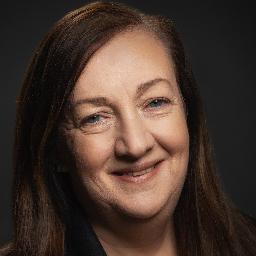
Kathryn Taylor
BACP
12 years in practice
Experienced counsellor with workplace insight
- Stress, Anxiety
- Relationship
- Self esteem
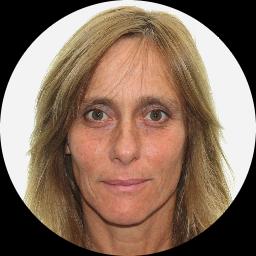
Lucy Nicolaysen
BACP
6 years in practice
Trauma-informed, attachment-focused counsellor
- Relationship
- Family
- Trauma and abuse

Matthew Bridge
BACP
3 years in practice
Compassionate counsellor for trauma and stress
- Stress, Anxiety
- LGBT
- Relationship