
Claire Cotgrove, BACP
Claire Cotgrove is a counsellor who aims to make people feel heard and accepted.
About Claire
Claire Cotgrove is a counsellor who aims to make people feel heard and accepted. She offers a calm, non-judgemental space for people to talk about identity, trauma and relationship struggles. Claire uses a person-centred way of working and brings three years of practice to each session.
Claire focuses on helping people dealing with LGBT concerns, trauma and abuse, intimacy issues and ADHD. She also supports those wrestling with shame, grief, commitment worries and communication problems.
Background and approach
Conversations are paced to suit each person and guided by what matters most to them. Her approach is rooted in client-centred practice. That means Claire follows the person in front of her, reflects what comes up, and helps people find their own solutions.
She can include creative methods when it feels helpful, and the work emphasises warmth and acceptance. People meet Claire to talk through past hurts, coercive relationships, gender and sexuality questions, or to make sense of neurodivergence. Sessions aim to reduce isolation and help people build practical steps towards feeling more in control.
Claire writes simply and listens carefully to each person’s story. Sessions are focused on what each individual brings and how they want to change things. Claire wants people to leave feeling understood and with clearer options.
Her practical style makes space for emotion, honest thinking and gradual progress.
Details from the counsellor's public professional profile · registration number listed
← Browse all counsellorsRegistration
| Body | Registration number | Expires |
|---|---|---|
| BACP | 402803 | May 2026 |
Registration details are as listed on the counsellor's public profile. You can check any number with the registering body.
Sessions and payment
Sessions are held online through our partner platform, by video, phone or messaging depending on the counsellor.
Cost Costs are shown on the partner platform before you commit. If cost is a concern, ask about reduced-fee options.
Focus areas and approaches
Everything Claire lists on their public professional profile, in their own terms.
- LGBT
- Relationship issues
- Trauma and abuse
- Intimacy-related issues
- ADHD
- Abandonment
- Antisocial personality
- Attachment issues
- Autism and Asperger Syndrome
- BDSM, kink, and alternative sex culture
- Blended family issues
- Chronic pain, illness, and disability
- Commitment issues
- Communication problems
- Divorce and separation
- Domestic violence
- Emptiness
- Family problems
- Forgiveness
- Gender dysphoria
- Guilt and shame
- Hospice and end-of-life counselling
- Impulsivity
- Infidelity
- Isolation / loneliness
- Jealousy
- Life purpose
- Midlife crisis
- Obsessions, compulsions, and OCD
- Paranoia
- Polyamory / non-monogamous relationships
- Post-traumatic stress
- Self-harm
- Self-love
- Sexual assault and abuse
- Sexuality
- Women's issues
- Workplace issues
Ways of working Claire names
Naming an approach is not evidence of training in it. This directory copies what each counsellor lists and does not check training records.
Online approaches for trauma and person-centred work
Claire uses Trauma-Focused Therapy to help people make sense of distressing events and how those events affect daily life. This approach looks at memories, reactions and patterns that keep a person feeling stuck, and aims to reduce the power those memories hold. Claire also uses Client-Centred Therapy which places the person’s experience at the centre of the work; the therapist follows the client’s pace and reflections and helps them find their own solutions.Deciding on an approach is a shared process. Claire will discuss options with each person and adjust methods to match their needs, goals and preferences. That means approaches can change over time as trust grows and priorities shift, with the client steering the pace and focus.
Online therapy here is practical and flexible. Video calls allow face-to-face conversation when a fuller interaction is needed. Phone sessions work well for shorter check-ins or when bandwidth is limited. Live chat and text-based messaging let people write through thoughts between sessions or keep a conversation going without being on camera. These options help therapy fit around work, family and daily life while keeping the same therapeutic aims.
Frequently asked
What concerns can I bring to sessions?
Claire works with issues such as LGBT concerns, relationship difficulties, trauma and abuse, intimacy problems and ADHD, along with related topics like grief, communication problems and gender dysphoria.
How would counselling feel in practice?
Sessions use a client-centred style that focuses on the person’s experience. Conversations are led by what the client brings and may include reflective listening and creative exercises if useful.
What is Claire’s background?
She has three years of counselling experience and offers an empathetic, non-judgemental way of working informed by life experience and practice.
Where is Claire based and what credential does she hold?
Claire works from the United Kingdom and holds BACP as a professional credential.
Can I work with Claire if I live outside the UK?
Sessions are offered in English and she is not currently accepting international clients.
Which session formats are available?
Therapy is available by video calls, phone sessions, live chat or text-based messaging to suit different needs and preferences.
How are costs handled?
Costs vary with location and therapist availability; sessions use a subscription model that can be cancelled at any time.
How do I begin therapy with Claire?
Start by selecting the Start Therapy button, complete a short matching questionnaire, and then schedule sessions according to the therapist’s availability.
More counsellors who work with LGBT
See all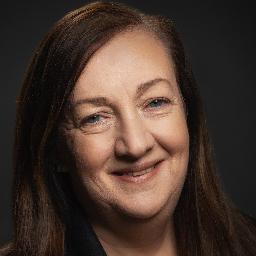
Kathryn Taylor
BACP
12 years in practice
Experienced counsellor with workplace insight
- Stress, Anxiety
- Relationship
- Self esteem
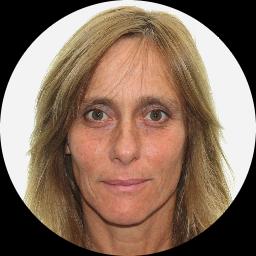
Lucy Nicolaysen
BACP
6 years in practice
Trauma-informed, attachment-focused counsellor
- Relationship
- Family
- Trauma and abuse

Matthew Bridge
BACP
3 years in practice
Compassionate counsellor for trauma and stress
- Stress, Anxiety
- LGBT
- Relationship