
Charlotte Clayton, BACP
Charlotte Clayton is a counsellor with four years of UK professional experience.
About Charlotte
Charlotte Clayton is a counsellor with four years of UK professional experience. She focuses on stress, anxiety, depression, relationship concerns, LGBT issues, and trauma and abuse. Charlotte aims to create a warm, non-judgemental space where people can talk openly about difficult feelings and regain a sense of self.
She uses straightforward, down-to-earth language in sessions and encourages practical steps that fit daily life. Her approach often centres on helping people notice what matters to them and make small changes in line with those values.
Background and approach
She draws on Acceptance and Commitment Therapy, client-centred work, and skills from Dialectical Behaviour Therapy to support emotional regulation and clearer decision making. Charlotte has spent several years supporting people facing a wide range of problems, including family and relationship strain, issues around sexuality, stress at work, and experiences of abuse.
She describes therapy as a collaborative process and aims to help clients feel heard and understood as they work through painful experiences. She speaks from personal experience about the courage it takes to ask for help, and this informs a compassionate stance in sessions.
Charlotte places importance on ethical practice as a BACP member and on building a reliable working relationship with each client. People who choose to work with her can expect straightforward conversation, practical skill-building, and a focus on finding ways to live in line with personal values. Sessions are paced to suit each person’s needs and goals.
Details from the counsellor's public professional profile · registration number listed
← Browse all counsellorsRegistration
| Body | Registration number | Expires |
|---|---|---|
| BACP | 402891 | April 2026 |
Registration details are as listed on the counsellor's public profile. You can check any number with the registering body.
Sessions and payment
Sessions are held online through our partner platform, by video, phone or messaging depending on the counsellor.
Cost Costs are shown on the partner platform before you commit. If cost is a concern, ask about reduced-fee options.
Focus areas and approaches
Everything Charlotte lists on their public professional profile, in their own terms.
- Stress, Anxiety
- LGBT
- Relationship issues
- Trauma and abuse
- Depression
- Abandonment
- Attachment issues
- Blended family issues
- Body image
- Caregiver issues and stress
- Commitment issues
- Control issues
- Dissociation
- Divorce and separation
- Domestic violence
- Family problems
- Fatherhood issues
- Forgiveness
- Guilt and shame
- Infidelity
- Isolation / loneliness
- Life purpose
- Narcissism
- Panic disorder and panic attacks
- Personality disorders
- Polyamory / non-monogamous relationships
- Post-traumatic stress
- Self-harm
- Self-love
- Sexuality
- Social anxiety and phobia
- Young adult issues
Ways of working Charlotte names
Naming an approach is not evidence of training in it. This directory copies what each counsellor lists and does not check training records.
How ACT, DBT and client-centred work translate to online therapy
Acceptance and Commitment Therapy (ACT) helps people notice thoughts and feelings without getting stuck in them, then choose actions that fit what matters most. It can be useful for anxiety, stress and when past trauma affects daily choices. Client-centred therapy focuses on being listened to and understood; the counsellor offers empathy and reflection so people can find their own answers. This approach supports self-discovery and rebuilding a sense of identity after difficult experiences. Dialectical Behaviour Therapy (DBT) provides practical skills for managing strong emotions and improving relationships, including grounding techniques and ways to tolerate distress effectively.Finding the best approach is part of the work together. Charlotte treats the choice of methods as collaborative and flexible. She will discuss goals and preferences, then adapt ACT, client-centred ways of working, and DBT skills to suit each person’s needs rather than following a fixed plan.
Online sessions are offered as video calls, phone sessions, live chat, or text-based messaging to make therapy fit into busy lives. Video is useful for richer conversational work, phone can be a simpler check-in with lower bandwidth needs, and chat or messaging can suit brief reflections or people who prefer not to be on camera. These options make it easier to fit sessions around work, parenting, or other commitments while still accessing regular support from a registered professional.
Frequently asked
What kinds of problems does Charlotte help with?
She supports people with stress, anxiety, depression, relationship concerns, LGBT matters, and trauma and abuse. Additional areas include attachment, body image, domestic violence, and infidelity.
What is her therapeutic style like?
Her style is down-to-earth and collaborative. She combines client-centred listening with practical skills from ACT and DBT to help with emotional regulation and decision making.
How much professional experience does she have?
Charlotte has worked professionally in the UK for four years supporting people through a range of life challenges.
What credentials and location are listed?
She is a member of the British Association for Counselling and Psychotherapy, shown as BACP, and practices from the United Kingdom.
Which languages and international options are available?
Sessions are offered in English. She is not currently accepting international clients.
Which session formats are offered?
Charlotte offers video calls, phone sessions, live chat, and text-based messaging to suit different preferences and schedules.
How are sessions charged?
Cost varies with location and therapist availability; sessions are provided via a subscription model that can be cancelled at any time.
How do I begin working with her?
Start by selecting the Start Therapy button, complete a short matching questionnaire, and then schedule sessions according to the therapist's availability.
More counsellors who work with Stress, Anxiety
See all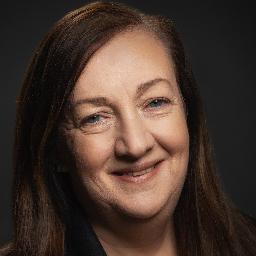
Kathryn Taylor
BACP
12 years in practice
Experienced counsellor with workplace insight
- Stress, Anxiety
- Relationship
- Self esteem

Lucy Nicolaysen
BACP
6 years in practice
Trauma-informed, attachment-focused counsellor
- Relationship
- Family
- Trauma and abuse

Matthew Bridge
BACP
3 years in practice
Compassionate counsellor for trauma and stress
- Stress, Anxiety
- LGBT
- Relationship