
Bethany Gribbon, BACP
Bethany Gribbon is a person-centred counsellor who focuses on stress, anxiety, trauma and abuse, depression and relationship concerns.
About Bethany
Bethany Gribbon is a person-centred counsellor who focuses on stress, anxiety, trauma and abuse, depression and relationship concerns. They aim to create an inviting space where people can talk openly about what matters most to them. Bethany presents as non-judgemental and collaborative in sessions and places the relationship at the core of the work.
Bethany is a member of the British Association for Counselling and Psychotherapy. This means they work within the BACP Ethical Framework, take part in regular supervision and pursue ongoing professional development.
Background and approach
These commitments help shape how they practise week to week. Their approach is built on person-centred values - putting the person at the centre of the conversation. Bethany adapts the way they work to meet individual needs and preferences.
This might include gently testing different ways of thinking, offering hypotheses, or making tentative challenges to help someone reflect. Sessions aim to increase self-awareness and personal autonomy. Bethany works openly on feelings, beliefs and behaviours to help people find their own way forward.
They will suggest external referrals if another service would better meet a person's needs. Over six years they have supported people with a wide range of concerns including grief, eating difficulties, anger, career decisions, bipolar, compassion fatigue and ADHD. Additional focus areas include BDSM and kink, gender dysphoria, polyamory and caregiver stress.
Bethany works with diverse sexual and gender identities and provides support around intimacy-related issues and life transitions. Bethany practices from the United Kingdom and conducts sessions in English using video calls, phone, live chat and text-based messaging. The format and pace of work are tailored to each person.
Details from the counsellor's public professional profile · registration number listed
← Browse all counsellorsRegistration
| Body | Registration number | Expires |
|---|---|---|
| BACP | 392651 | February 2026 |
Registration details are as listed on the counsellor's public profile. You can check any number with the registering body.
Sessions and payment
Sessions are held online through our partner platform, by video, phone or messaging depending on the counsellor.
Cost Costs are shown on the partner platform before you commit. If cost is a concern, ask about reduced-fee options.
Focus areas and approaches
Everything Bethany lists on their public professional profile, in their own terms.
- Stress, Anxiety
- LGBT
- Relationship issues
- Self esteem
- Coping with life changes
- Family conflicts
- Trauma and abuse
- Grief
- Intimacy-related issues
- Eating disorders
- Anger management
- Career difficulties
- Bipolar disorder
- Depression
- Coaching
- Compassion fatigue
- ADHD
- BDSM, kink, and alternative sex culture
- Caregiver issues and stress
- Commitment issues
- Communication problems
- Divorce and separation
- Domestic violence
- Family problems
- Forgiveness
- Gender dysphoria
- Guilt and shame
- Hospice and end-of-life counselling
- Isolation / loneliness
- Life purpose
- Polyamory / non-monogamous relationships
- Pregnancy and childbirth
- Self-harm
- Self-love
- Sexual assault and abuse
- Sexuality
- Young adult issues
Ways of working Bethany names
Naming an approach is not evidence of training in it. This directory copies what each counsellor lists and does not check training records.
Person-centred support online and practical approaches
Person-Centred Therapy places the person at the heart of the work. It involves attentive listening, empathic reflection and supporting people to find their own answers. This approach is useful for anxiety, depression, relationship issues and coping with life changes.In practice Bethany may also use tentative hypotheses and gentle challenges when appropriate. These techniques encourage reflection on beliefs and behaviours and can help with trauma, self-esteem and patterns that feel stuck. The therapist adapts methods to suit each person's needs and pace.
Finding the right approach is part of the process. The therapist will work with the person to decide what feels most helpful based on goals, preferences and practical needs. This is a collaborative exploration rather than a fixed plan.
Online sessions are offered by video call, phone, live chat and text-based messaging to provide flexibility. Video calls allow face-to-face conversation; phone sessions are useful when bandwidth is limited or a shorter check-in is needed. Live chat and text messaging provide a way to work in shorter exchanges or between sessions. These options make it easier to fit therapy around work, study and caregiving commitments while keeping therapy accessible across distances.
Frequently asked
What concerns does this counsellor help with?
They support people with stress, anxiety, depression, trauma and abuse, grief, relationship and intimacy-related issues, and many life changes.
How would you describe the therapeutic style?
The style is person-centred and collaborative, focusing on an accepting relationship and adapting methods to each person's needs.
What is their background and experience?
They have six years of experience working with a wide range of concerns and diverse sexual and gender identities.
What credentials and location are listed?
The counsellor is a member of the British Association for Counselling and Psychotherapy (BACP) and is based in the United Kingdom.
Which languages and international arrangements are supported?
Sessions are offered in English and they are not currently accepting international clients.
Which session formats are available?
People can meet by video calls, phone sessions, live chat or text-based messaging depending on preference.
How are costs handled for sessions?
Cost varies with location and therapist availability; sessions use a subscription model that can be cancelled at any time.
What are the first steps to begin working together?
Start by selecting the Start Therapy button, complete a short matching questionnaire, then schedule according to the therapist's availability.
More counsellors who work with Stress, Anxiety
See all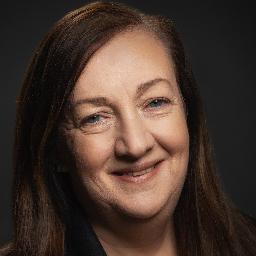
Kathryn Taylor
BACP
12 years in practice
Experienced counsellor with workplace insight
- Stress, Anxiety
- Relationship
- Self esteem

Lucy Nicolaysen
BACP
6 years in practice
Trauma-informed, attachment-focused counsellor
- Relationship
- Family
- Trauma and abuse

Matthew Bridge
BACP
3 years in practice
Compassionate counsellor for trauma and stress
- Stress, Anxiety
- LGBT
- Relationship